

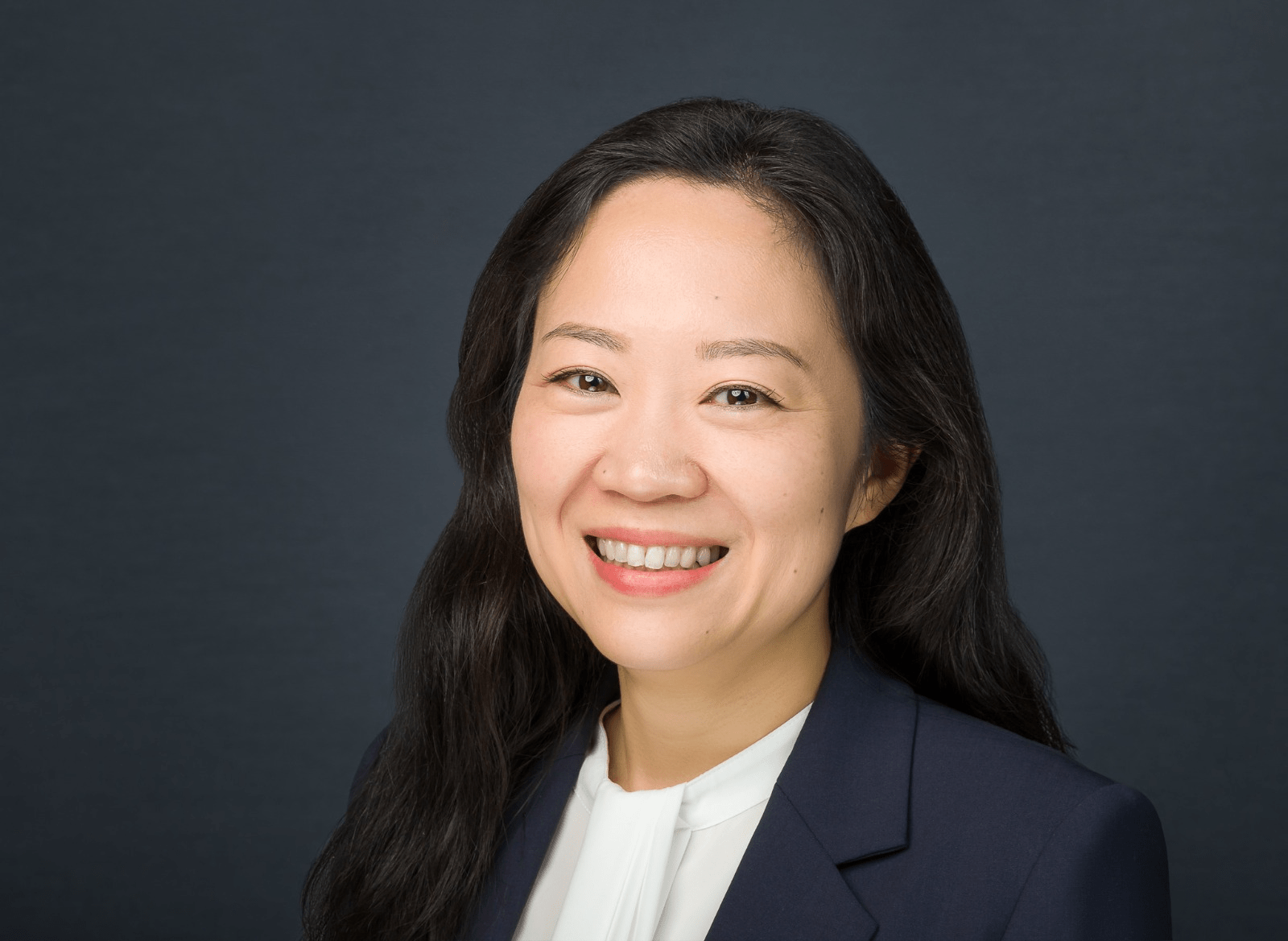
Tomoko, first off, congratulations on your remarkable career bridging cutting-edge science and venture capital. Like many scientists, you started on the lab bench—can you walk us through how you made the leap to biotech investing, especially during such a pivotal time?
Initially, I was focused on the classic academic path: postdocs, then securing a faculty position to continue my immunology research. During the COVID era, and as family priorities evolved, I began reflecting more on my broader impact—how I could contribute to science and society beyond the lab. I expanded my horizons by studying public policy and becoming more involved in Japan–Europe scientific collaboration.
Around that time, the headquarters of my research institute approached me about an opportunity in venture capital. It felt like a natural extension of my scientific background, a chance to help translate discoveries from the lab into therapies that can reach patients. When I received the offer, I decided to take the leap, even though stepping into an unfamiliar industry felt risky, and it has been incredibly rewarding ever since.
How does your PhD expertise shape your approach to deal evaluation, particularly in oncology and immunology? And for those unfamiliar, tell us about Newton’s investment focus and strategy.
Newton Biocapital primarily invests in early-stage life sciences companies, with strong activity in oncology, immunology, and related therapeutic areas. Many of the opportunities we see originate from academic spinouts in Europe and Japan—regions with exceptional scientific capabilities. My scientific background is very helpful in navigating deal flow, which often reflects the strengths of local research ecosystems.
What differentiates Newton Biocapital is our cross-regional positioning. We maintain strong ties in both ecosystems and support companies in navigating these markets. In evaluating opportunities, I often act as a bridge between scientific potential and business viability. Academic founders bring extraordinary insights, but building a biotech company requires capital discipline, regulatory awareness, and milestone-driven development. Ensuring alignment around those elements is essential.
You’re also a board member at several portfolio companies. Can you share an example of how a board influences a biotech’s strategic direction during tough times?
The board’s role is to support the company in maintaining strategic focus and momentum toward value-creating milestones. In challenging moments, this often involves helping management make difficult prioritisation decisions, such as concentrating resources on the most promising programme or refining development strategy. Sometimes decisions must be made under uncertainty, but clarity of focus and disciplined execution are critical in biotech, where timelines are long and capital is precious.
Work-life balance in VC is tough, let alone with kids and nearly completing an executive MBA. How do you juggle it all, and why pursue the MBA at this stage in your career?
It certainly requires coordination, and communication has been essential. I’m fortunate to have strong support from my husband and family, and learning to openly ask for help has been important.
Coming from a purely scientific background with two postdoctoral fellowships, I entered venture capital with deep domain expertise. However, I quickly realised that strengthening my understanding of finance and economics would be very valuable. The Executive MBA program in London at Chicago Booth has been incredibly energising. It allows me to step outside the day-to-day investment cycle and think more broadly about strategy and capital allocation, and I find that those insights continually shape how I approach my work.
When scouting investments, what founder or CEO qualities stand out most to you?
Biotech innovation often begins with a scientific discovery, but translating that discovery into a therapy ultimately depends on execution. When evaluating opportunities, we therefore look very closely at the team and how well they work together.
The founders and CEOs who stand out tend to combine scientific rigour with strategic discipline. Early-stage biotech comes with many uncertainties, so leaders who can maintain focus, prioritise effectively, and guide the team through complex decisions are particularly important.
Over your years in the industry, what key lessons have shaped your investing philosophy?
Drug development timelines are long and often unpredictable, so maintaining a long-term perspective is critical. Patience and conviction are therefore essential in biotech investing. My mentors at Newton Biocapital emphasised this early on, and it’s something I carry with me in my work every day.
Another key lesson has been the importance of aligning incentives across stakeholders -founders, investors, and strategic partners. Each group naturally brings different priorities, and successful partnerships depend on understanding those perspectives and finding solutions that allow everyone to move forward together.
You’ve encountered countless entrepreneurs. What’s your top advice for those launching biotechs today?
Surround yourself with true domain experts from the beginning, especially people who deeply understand regulatory pathways and drug development strategy.
If you come from a scientific background, it is also important to develop financial literacy. Capital is ultimately what allows scientific discoveries to progress into real medicines. Throughout the process, staying close to clinicians and patients helps ensure the science is addressing real needs.
On a personal level, who or what has most shaped the bold path you’ve taken?
My mother has had a profound influence. As a woman in Japan, she faced many constraints but always encouraged me to pursue opportunities freely. She often told me: “Try what you want. If it doesn’t work, you can always come home and start again.”
That sense of support gave me the confidence to explore different paths. My husband shares that same mindset today. My family has always encouraged curiosity and independence, which has shaped many of the choices I’ve made.
Looking ahead, if one is starting a biotech now, should they go asset-centric or platform? Hot therapeutic areas or trends?
Data is becoming increasingly central to drug development, particularly with the acceleration of AI-driven analysis. In Europe, initiatives such as the upcoming European Health Data Space will likely expand access to large-scale health data, which could meaningfully accelerate research.
In terms of therapeutic areas, I am particularly interested in lung diseases and data-driven diagnostics—areas where there is still significant unmet need and strong potential for innovation.
When looking at companies today, I tend to be drawn to those that start with a focused, asset-centric approach grounded in a clearly defined patient need, while building data capabilities that could support broader development over time.
Final thoughts for our readers?
It’s always inspiring to engage with companies that address real unmet medical needs and have the potential to genuinely improve patients’ lives. Building a biotech company is an enormous challenge, but when strong science, disciplined execution, and a clear focus on patients come together, the impact can be truly transformative.
In that journey, investors can often serve as thoughtful sounding boards as companies shape their strategy. What I find most rewarding is seeing how different perspectives – scientists, entrepreneurs, and investors – come together to move an idea closer to patients.


